Derelict structures removed to make way for wildlife
Published 1:30 am Friday, December 8, 2023
Submitted by Friends of the San Juans
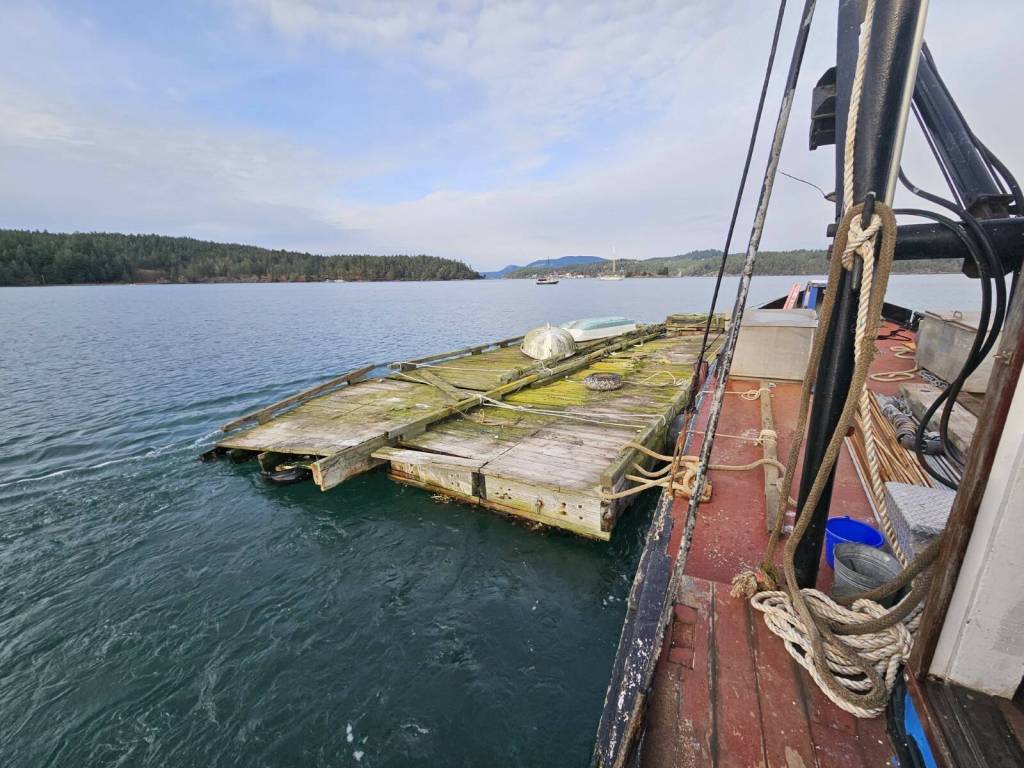
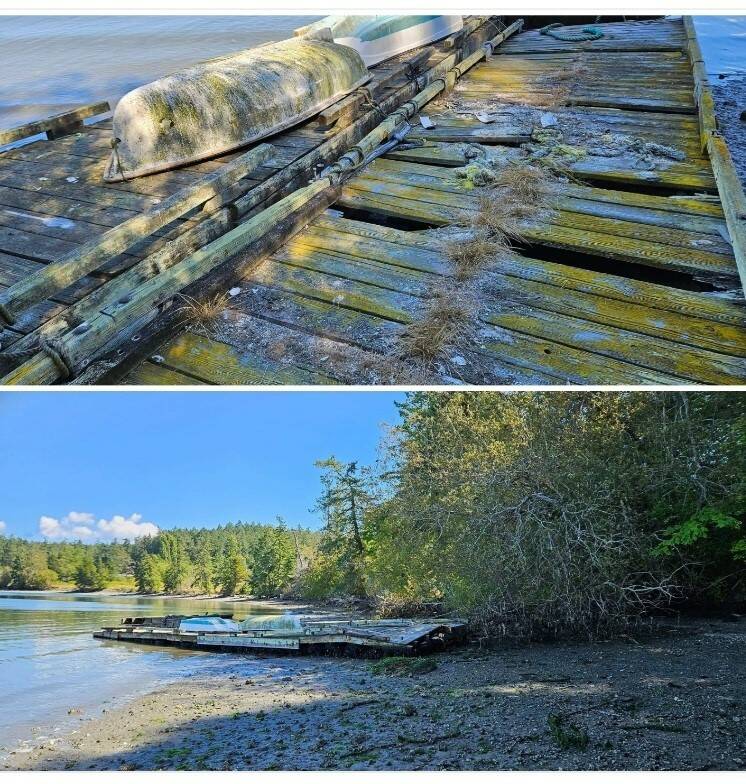
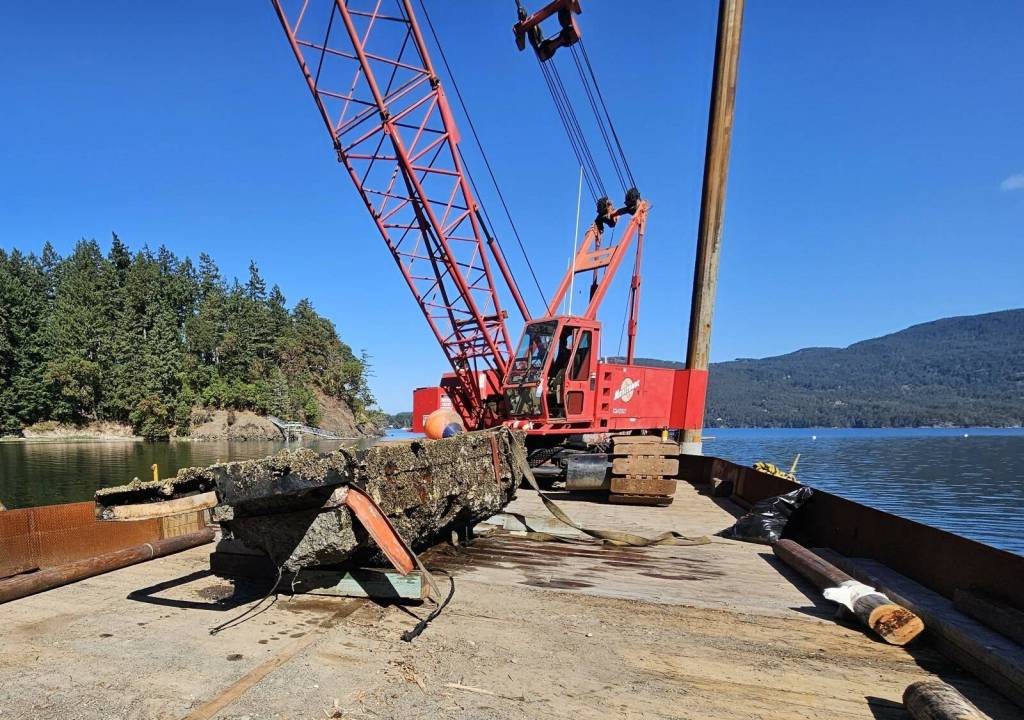
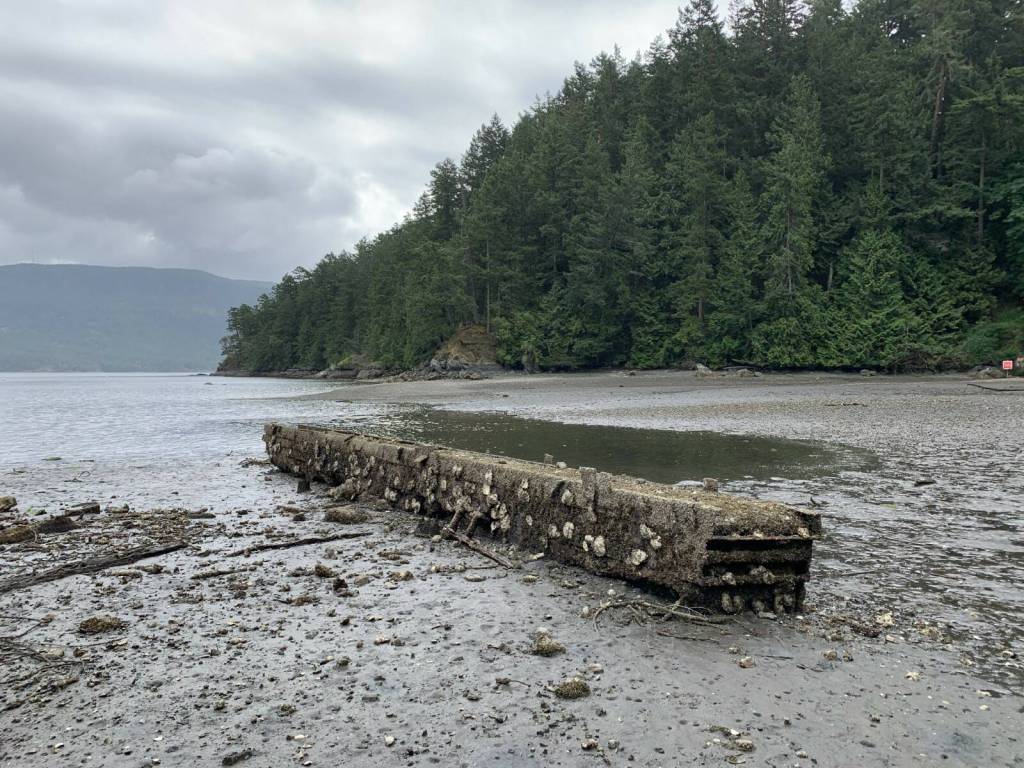
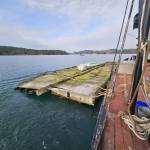
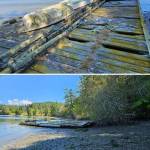
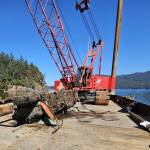
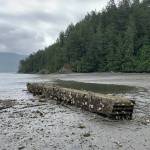
As part of ongoing efforts to safeguard critical eelgrass meadows and Pacific herring spawning grounds, Friends of the San Juans (Friends) recently spearheaded the removal of two derelict structures from local bays. Former sections of docks and floats located in Judd Cove on Orcas Island and Blind Bay on Shaw Island were abandoned, posed navigational hazards, and threatened the marine ecosystem. The structures were identified by the Washington Department of Natural Resources as “marine debris” prior to their removal. Chemicals and plastics frequently found in derelict docks, floats, and other structures are toxic to aquatic life and can linger in the water and sediment for a long time. In addition, direct structures shade out marine vegetation such as eelgrass.
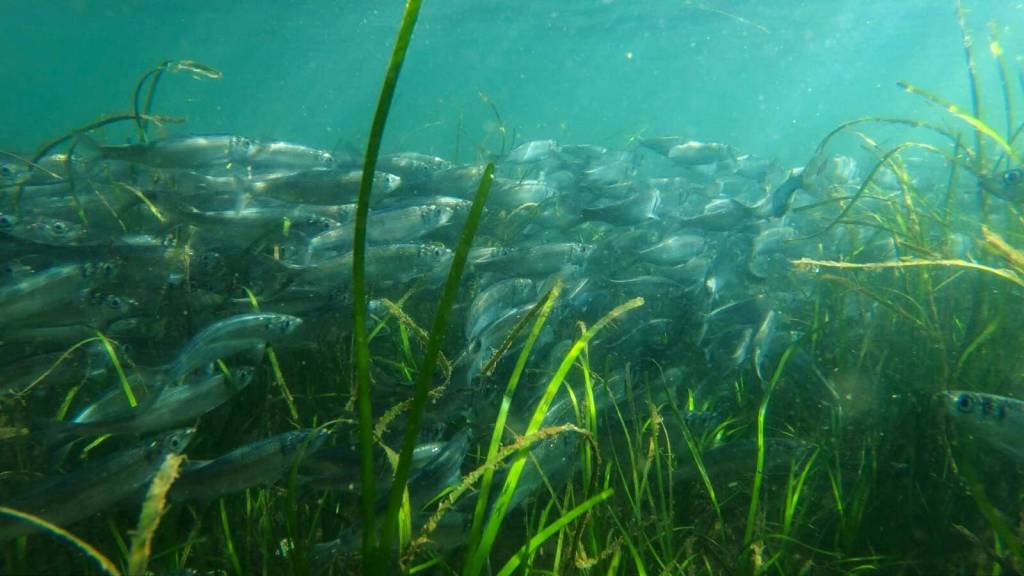
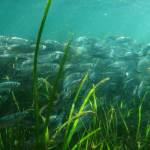
Removing unnecessary structures for beaches and nearshore habitats is one of Friends’ ongoing efforts to enhance eelgrass habitats, which are vital for Pacific herring spawning and the overall health of the marine food web. Eelgrass, a flowering plant that thrives in shallow marine waters, supports a diverse range of marine life, including Dungeness crabs, outmigrating juvenile salmon, and, most importantly, Pacific herring. The northern end of East Sound on Orcas Island and Blind Bay on Shaw Island are two of just five remaining herring spawning areas on just five remaining herring spawning areas in the San Juans Islands. Out-migrating juvenile salmon from across the Salish Sea rely on shorelines in the San Juan Islands as important habitat as they head to the Pacific Ocean and herring are a critical component of the diets of these young salmon.
This past summer, Friends also embarked on a comprehensive eelgrass research and mapping project to inform restoration and protection actions that include derelict structure removal, mooring buoy upgrades, Anchor Out of Eelgrass boater education, and full-scale shoreline habitat restoration projects. These efforts, funded by the U.S. Fish and Wildlife Service, the WA Seattle Salmon Recovery Funding Board, and generous member donations, are crucial to safeguarding our shorelines and ensuring the survival of endangered or critically declining plants and animals.