Ancient waters, new vision: Aqua Chautauqua sets sail through the Gulf Islands
Published 1:30 am Tuesday, July 7, 2026
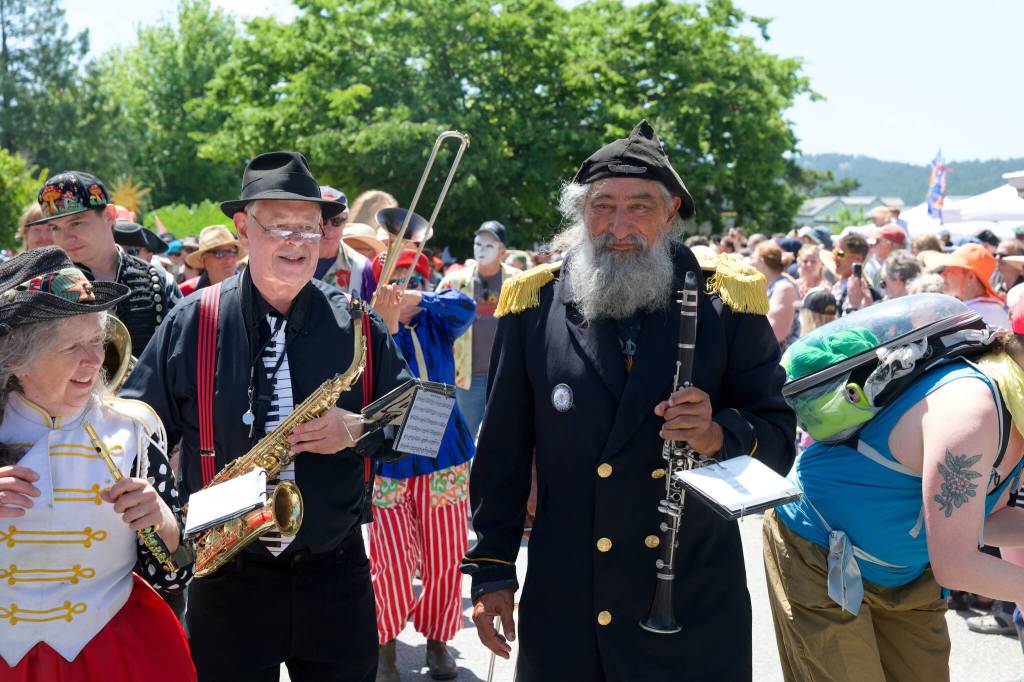
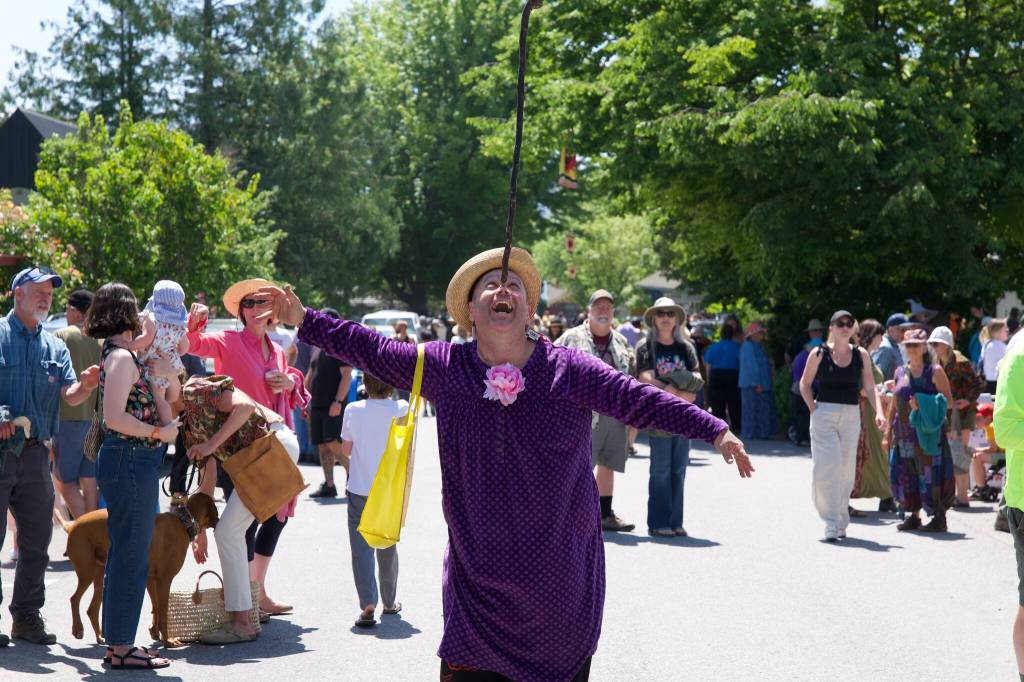
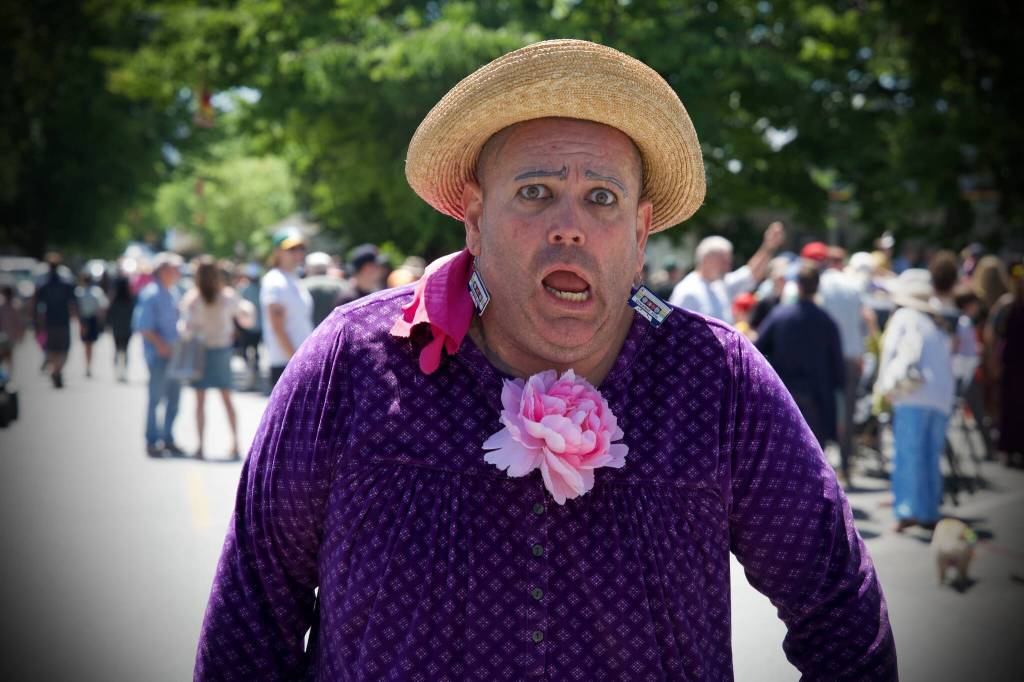
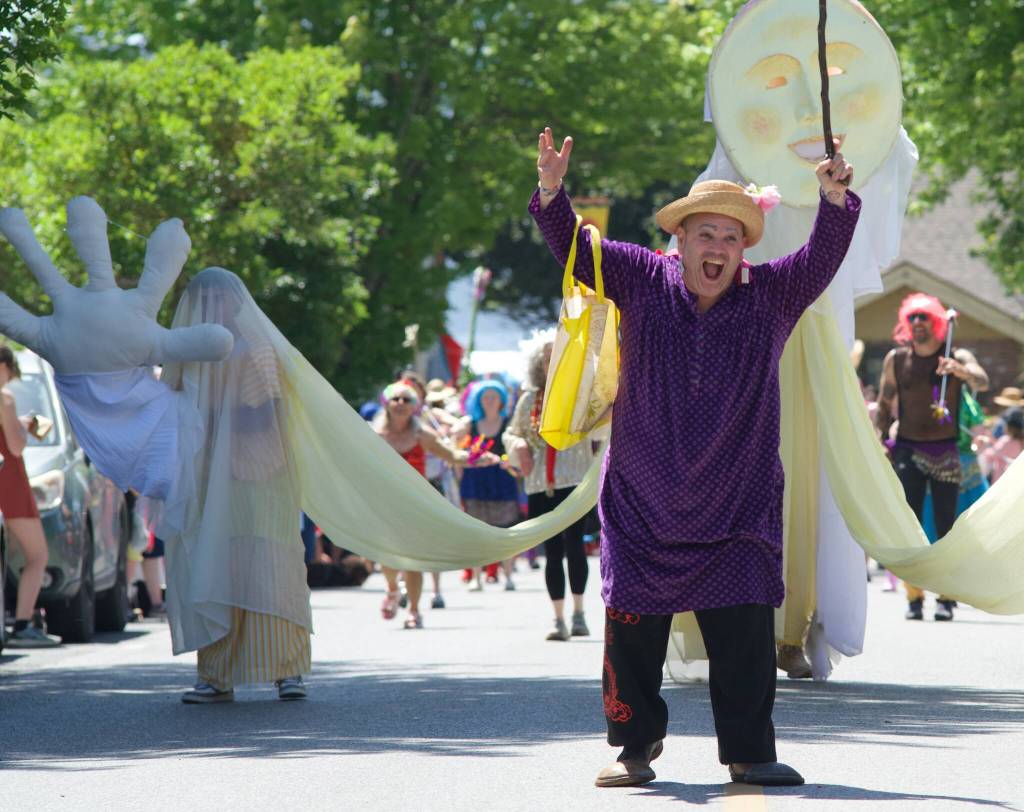
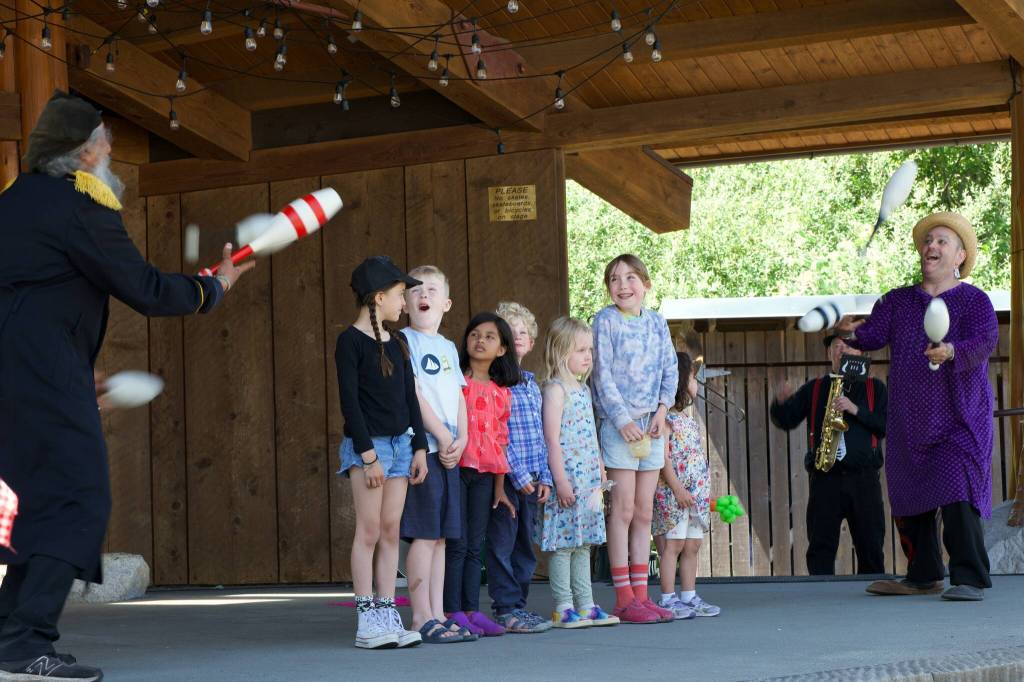
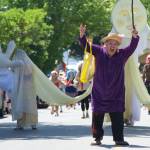
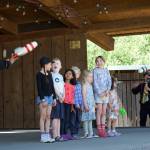
From July 18 to Aug. 1, the New Old Time Chautauqua will travel by flotilla through the Northern Gulf Islands in the Aqua Chautauqua — a boat-borne arts and cultural event combining performance, education and ecological advocacy across the Salish Sea watershed. Leading the effort is Paul Magid, Seattle-born member of the Flying Karamazov Brothers and teacher of Native law and history, with Orcas Island resident Ross Newport coordinating the flotilla. Their mission: to awaken communities on both sides of the United States-Canada border to the ecological reality that the Salish Sea is a single, connected watershed — and that its survival depends on treating it as one.
What is a chautauqua?
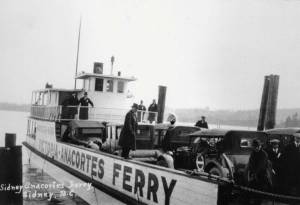
The Chautauqua tradition began in 1874 on the shores of Lake Chautauqua in upstate New York as a summer institute for Sunday School teachers. It quickly grew into one of the most inclusive mass movements America has ever seen. Co-founder Lewis Miller declared that it welcomed all, regardless of denomination, creed or political party. His partner, the Rev. John Heyl Vincent, put it plainly: “It is the duty of every man to help every other man to be all that he can be,” and at Chautauqua, “poverty, birth, nor color has nothing to do with it” (Irwin, Alfreda L. Three Taps of the Gavel. Chautauqua Institution, 1987).
At its peak in the mid-1920s, circuit Chautauquas reached more than 10,000 communities across 45 states, drawing 45 million attendees. Teddy Roosevelt called it “the most American thing in America” (New Old Time Chautauqua, chautauqua.org). The traveling Chautauqua blended lectures, music, drama and cultural exchange — the predecessor of today’s TED Talks and public radio. The Port Townsend-based New Old Time Chautauqua has been reviving that tradition since 1981, and this summer marks its 45th season.
What is the Aqua Chautauqua?
The Aqua Chautauqua is the water-borne version of the New Old Time Chautauqua — performed from a flotilla of boats rather than the usual truck and trailer. It builds directly on last year’s “Hands Across the Water” event, co-organized by Newport, which connected the San Juan Islands to Salt Spring Island. This year, the flotilla expanded that vision, traveling the Northern Gulf Islands and reaching out to communities from Olympia to Cortes Island, involving Indigenous nations, including the Klahoose First Nation (Cortes Island to Toba Inlet) and others along the way.
Why the Salish Sea?
For Magid, who has fished these waters since childhood and worked with Indigenous tribes across the region since 1982, the ecological stakes could not be clearer.
“This is all connected by the water and we’re all in the same watershed,” he said. “To think of it otherwise is complete foolishness. You can’t have one rule over here and one rule over there and think you’re going to actually make the ecological watershed survive. It is a single unit. And to think of it otherwise is to court disaster, basically.”
The Chautauqua carries that message through performance. The centerpiece show begins 100 years in the future — when the salmon have returned, and the watershed is healthy — and works backward to the present, asking how we get from here to there.
“There’s so much doom and gloom going on,” Magid said. “And it occurred to me, well what if it actually all worked out? Does anyone ever consider that? What if we … all woke up one day and went — we’ve got to make this all make sense.”
Magid sums up his life’s work in simple terms: “I really believe in my heart that there’s got to be a way to get to a better future for all of us and for the world itself. That’s why I do it.”
The Aqua Chautauqua tours the Northern Gulf Islands from July 18 to Aug. 1. For more information, visit chautauqua.org.