Red foxes on San Juan Island test positive for avian influenza
Published 1:30 am Tuesday, March 3, 2026
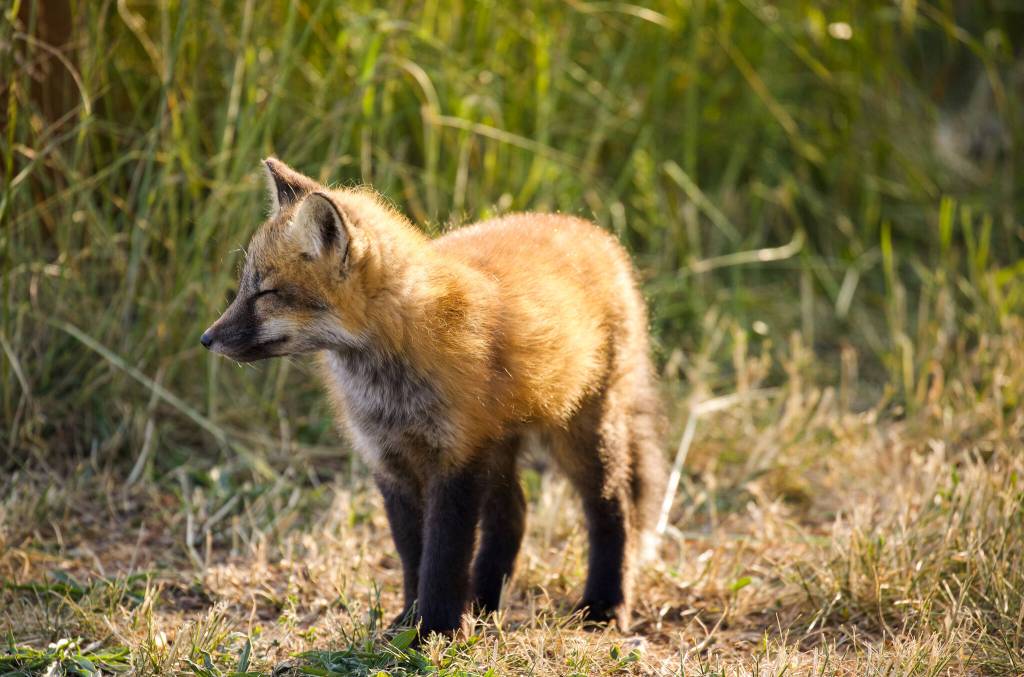
Submitted by San Juan County.
Two red foxes on San Juan Island have tested positive for avian influenza. At this time, there are no confirmed human cases of avian influenza in San Juan County. Living in the islands gives us the special chance to be close to nature and wildlife, but it is important to take simple steps to help keep ourselves, our families and our pets safe from diseases that animals may carry.
Please do not approach, touch or try to help wild animals — even if they look calm or friendly. Wild animals can carry diseases that can spread to people and pets, like avian influenza, rabies and more. For your safety, keep a safe distance and report sick or dead wildlife to local officials.
Here is how to report both wild and domestic sick or dead birds and wildlife:
Report sick/dead domestic birds using the online form (https://survey123.arcgis.com/share/5e0bb3eaf3ae44b69cf6dcf34e89524e) or call the Washington State Department of Agriculture’s Avian Health Program: 1-800-606-3056. Visit https://agr.wa.gov/birdflu for more information about how to protect backyard flocks.
Use an online form (https://survey123.arcgis.com/share/a384e90f69744f2e846135a9ce80027f) to report sick/dead wild birds or other wildlife suspected of avian influenza to the Washington Department of Fish & Wildlife
Avian influenza, also known as bird flu, is a disease caused by avian influenza Type A viruses that naturally occur in wild aquatic birds throughout the world. This virus can also infect other species of birds, and occasionally mammals, and can cause severe disease in poultry species such as chickens, turkeys, pheasants, quail, ducks, geese or guinea fowl. Avian influenza viruses can spread to backyard flocks through interactions with wild birds or contaminated environments. Multiple species of wild migratory birds are known to carry the virus and travel through San Juan County each year. It can be fatal to both wild birds and domestic poultry. Because of this risk, it is important to prevent wild birds and other wildlife from coming into contact with your poultry.
On rare occasions, bird flu viruses can infect people and make them sick. Most instances of people becoming infected have happened after prolonged, close contact with infected animals or environments contaminated with avian influenza. The majority of reported cases of human illness due to avian influenza in the United States have been mild, but illness can be severe and, rarely, lead to death.
Avian influenza infections in people are rare, and risk to the public remains low. However, people who have or have had close contact with infected animals, such as backyard flock keepers, people who work with animals and hunters, may be at higher risk. Here are tips to reduce your risk of infection:
• Do not handle wild birds and wild animals. Observe from a distance, if possible. Wild birds and other wild animals may be infected with avian influenza viruses even if they don’t look sick.
• Avoid unprotected contact with domestic birds