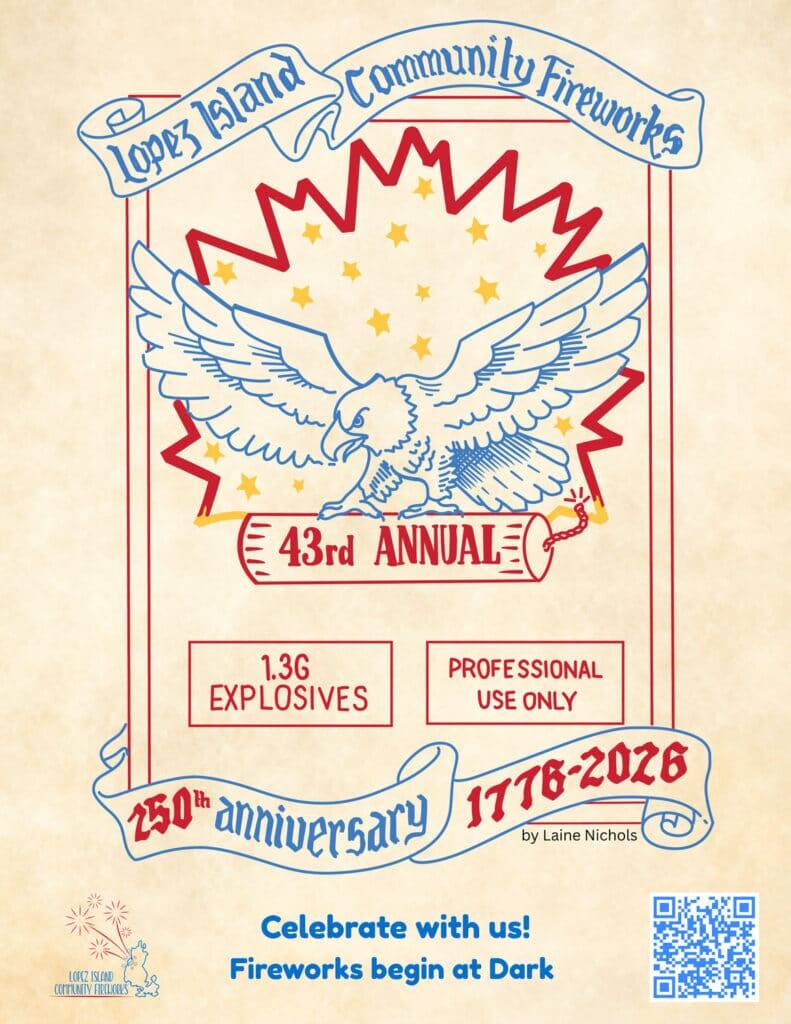
Not your traditional fireworks | Lopez volunteers continue to produce world-renowned show
Published 1:30 am Monday, June 29, 2026
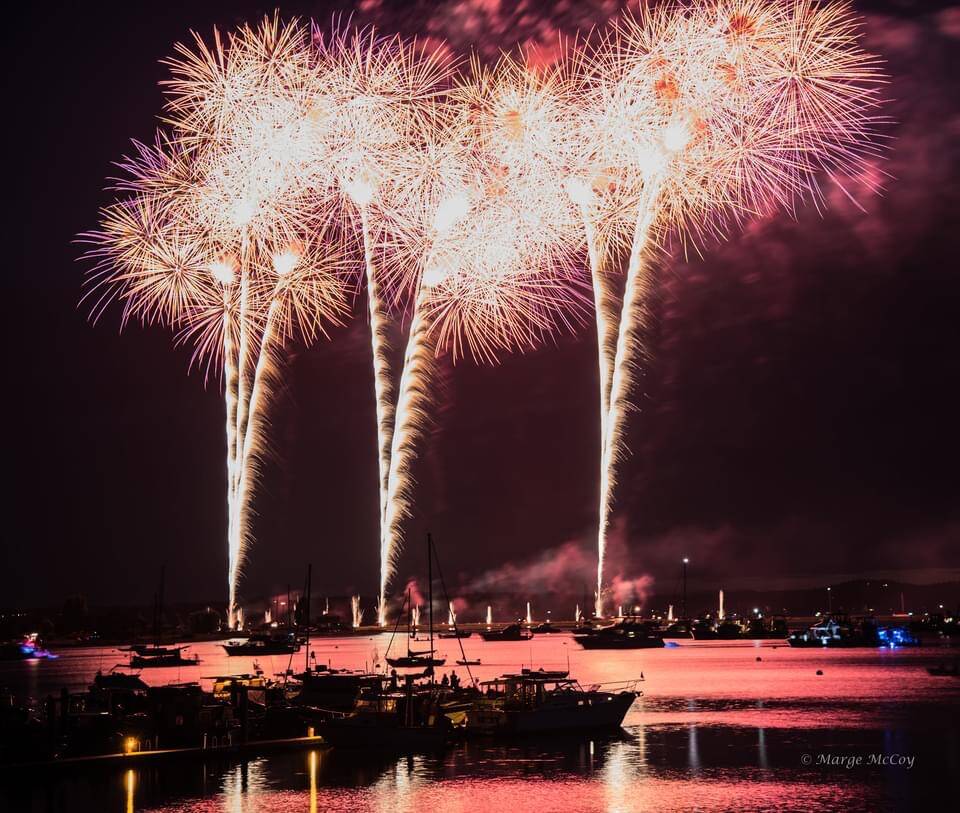
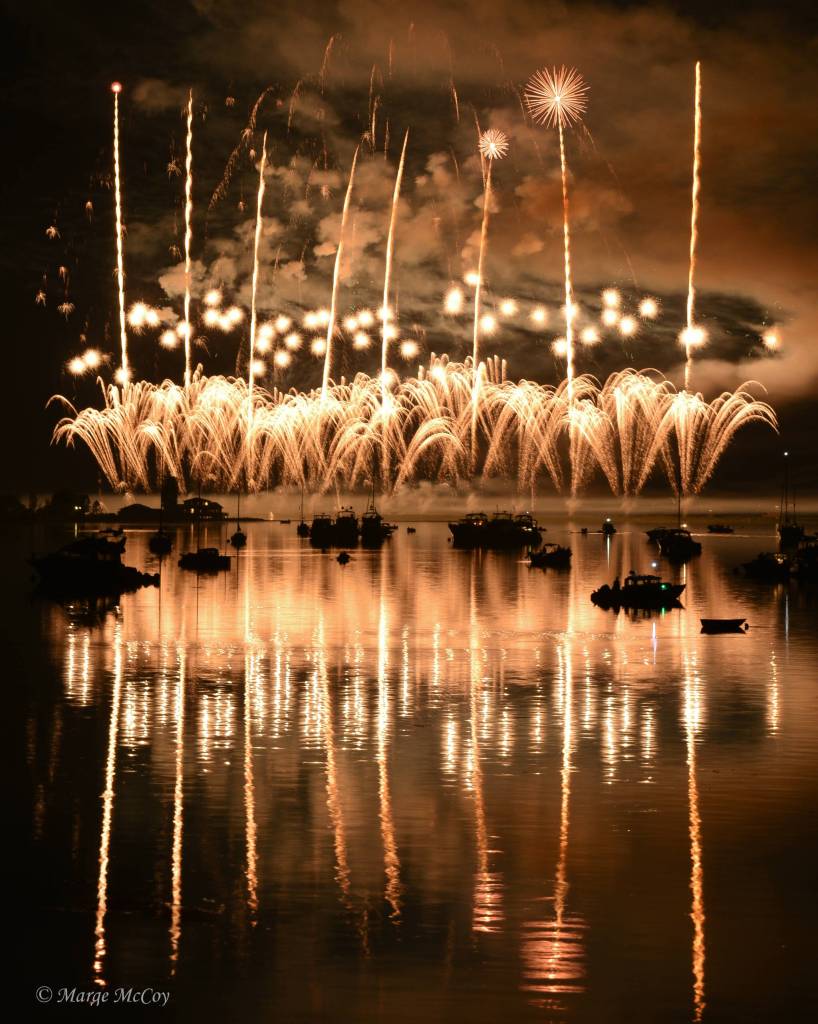
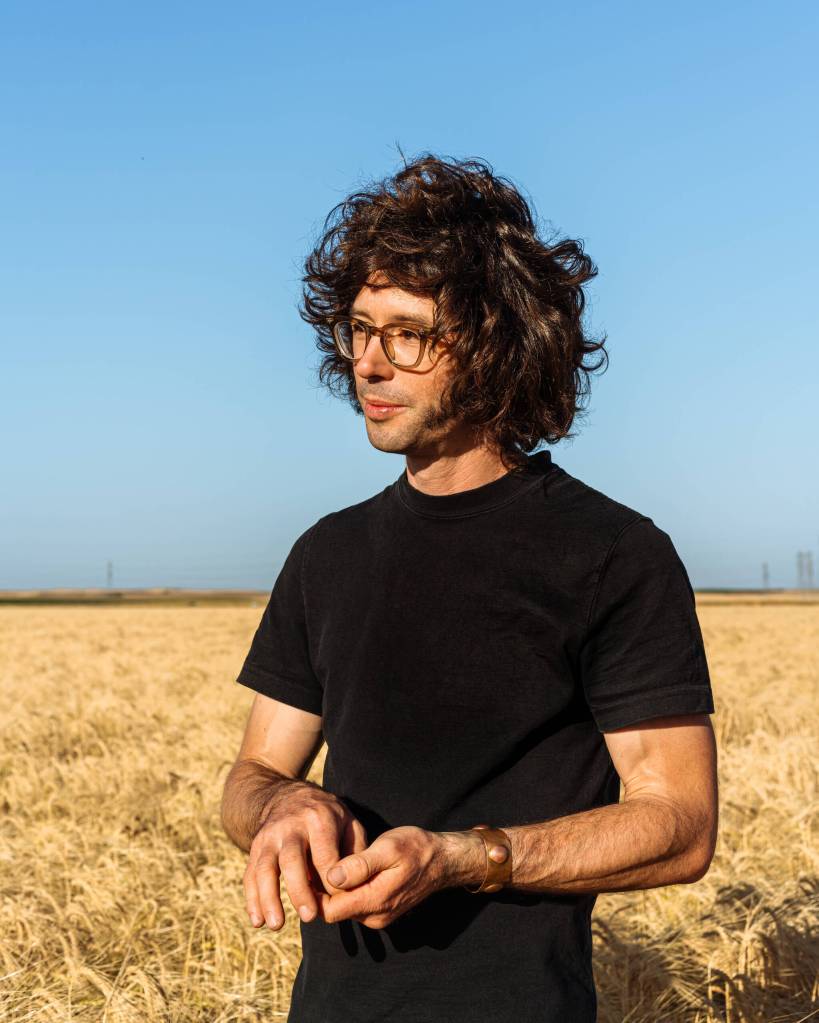


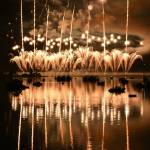
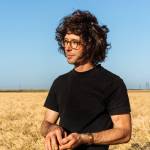
Nick Gislason, an organic farmer, winemaker and brewer, approaches the art of designing fireworks shows with intention, creativity and a commitment to honoring legacy.
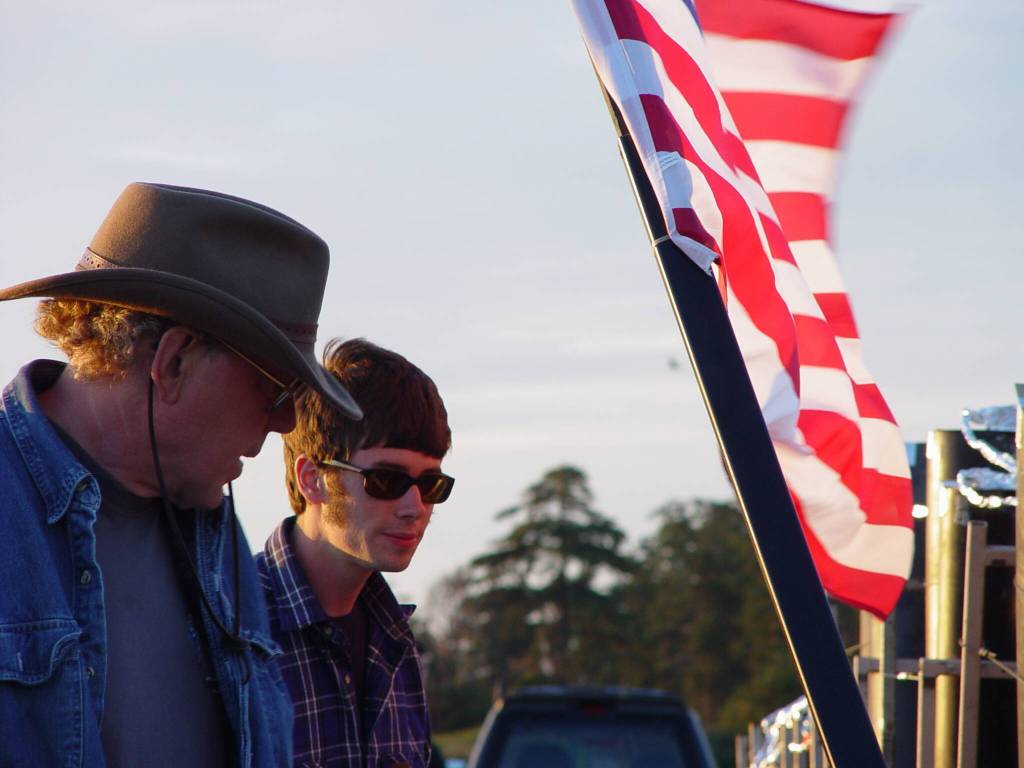
“I was born interested in pyrotechnic arts,” laughed Gislason, who has been volunteering with the Lopez Island Community Fireworks since 1995 and is now its Director of Pyrotechnics.
The show debuted in 1951, and the torch was passed in 1983 to Dwight Walters, who studied with Japanese pyrotechnic builder Seiji Kase in the 1970s. Kase became a vital figure in preserving Nagaoka’s pyrotechnic legacy following WWII, and the artistry and symbolism of the display there is known worldwide.
Under Walters’ leadership, the Lopez show became known as one of the five largest displays on the West Coast — comparable in size to those in major cities in California, Oregon, and Washington — and as the only Japanese-style display in the country. It’s been bringing the community together in the San Juan Islands for generations.
“It’s really different from how European — and then by default American fireworks — usually are composed, which use gunpowder and have names associated with the military,” Gislason said. ‘For instance, fireworks effects such as artillery, salute and bombardment are European in origin. By contrast, fireworks styling in Japan is all about nature, and the shells are named for different trees, plants, and even weather patterns: willow, pine tree, chrysanthemum, cherry blossoms, and thunder before rain are all different types of fireworks effects from Japan. So the shows are designed to emulate different aspects of nature, to invoke a feeling of reverence and appreciation for them.”
Walters took on Gislason as an apprentice, imparting decades of knowledge to him. He is now putting the latest generation’s thumbprint on the shows after assuming the director role in 2005. The Lopez display now is a unique hybrid of Japanese and European elements, honoring local flora and fauna, while celebrating themes of community and reflecting the independent spirit of San Juan Islanders throughout the show. Gislason says the styling is unlike any other show in the world.
“Our Lopez fireworks have a very characteristic look and feel. They are inspired by some of the greatest fireworks in the world, but we roll up our sleeves and are creating something here that could come from nowhere else besides the San Juan Islands,” he said. “The fireworks are made on the island by a group of dedicated volunteers using the Japanese methods with recycled paper casings (most places use plastic casings), and charcoal from local Douglas fir, cedar and alder. The look and feel of the sparks differs depending on what kind of tree the charcoal is made from. Douglas fir gives a bright, crackling energetic effect while cedar gives a thin, elegant and calming spark effect.”
Lopez Community Fireworks is 100 percent volunteer-run and is supported by community donations. Neighbors, families, visitors, volunteers and local businesses all come together to support its success and artistry. Gislason remains as passionate as ever about presenting a show that is thoughtful and beautiful. It will begin after dark over Fisherman Bay.
“It’s meant to be watched as you’d listen to an album. You go on a journey,” he said.
See the local documentary “Behind the Scenes at Lopez Community Fireworks” go to: www.youtube.com/watch?v=GKDpFEIqGhY.